
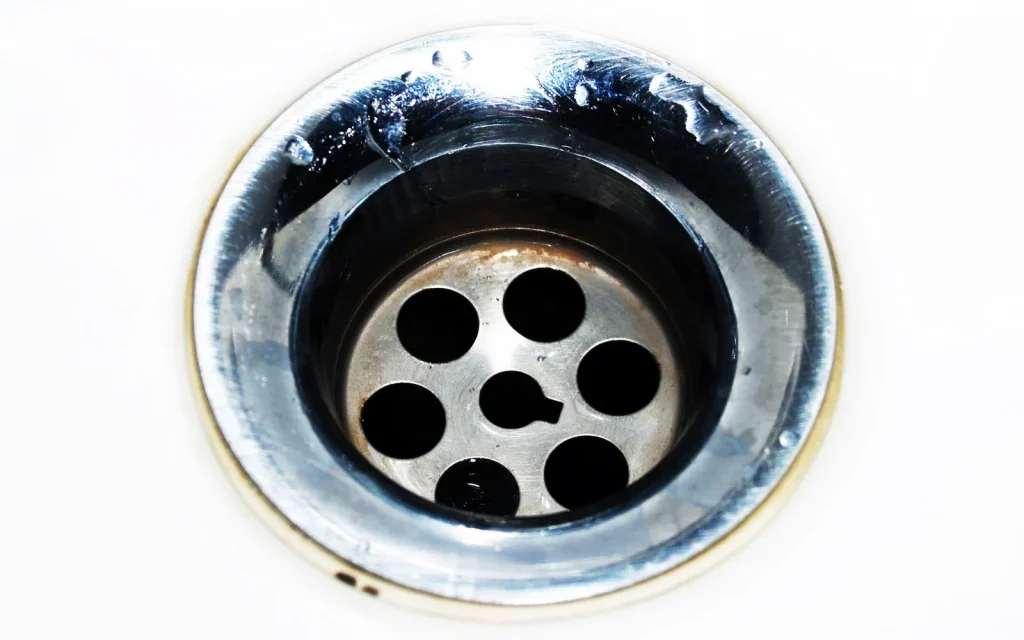
A blocked drain goes from annoying to urgent pretty quickly, especially when it’s the toilet or the whole house backing up. Some blockages you can clear yourself in five minutes. Others need a jetter and a camera. Here’s how to tell which one you’ve got, what usually causes them in Perth homes, and when to stop and call a plumber.
One drain, or the whole house?
This is the first thing to work out, because it tells you where the blockage is.
- If one sink, basin or shower is slow and everything else drains fine, the blockage is usually close to that fitting, often in the trap under it.
- If several fixtures are slow at once, the toilet gurgles when the shower drains, or water rises in the shower when you flush, the blockage is further down, in the main sewer line from the house.
Check the overflow gully
Most Perth houses have an overflow relief gully outside, usually near the bathroom or laundry wall. It’s a round grated outlet sitting a little above the ground. Its job is to let sewage overflow outside, instead of up through your shower or toilet, if the sewer line blocks.
If the grate has popped off or water is coming up out of the gully, the main line is blocked and it’s time to call a plumber. Keep the gully clear of pot plants, mulch and pavers, and never cover it up. If it can’t do its job, the overflow ends up inside.
What causes blocked drains in Perth
Tree roots
Roots go looking for water, and a small gap at an old pipe joint is an open invitation. Once inside, they grow into a net that catches everything that comes down the line. It’s common in established suburbs with big trees and older clay sewer pipes.
Wipes
Baby wipes, make-up wipes and the ones labelled flushable don’t break down like toilet paper. They snag on joints and roots and build into a plug. Water Corporation’s rule is simple: only pee, poo and toilet paper go down the toilet.
Fat and grease
Cooking fat goes down the sink as a liquid and sets hard in the pipe. Over time it narrows the pipe until something catches. Water Corporation says fats, oils and grease hardening in pipes cause 30% of wastewater blockages.
Hair and soap
This is the usual cause of a slow shower or basin. Hair binds with soap scum just below the grate or in the trap.
Pipes that crack or shift
Ground movement and age can crack a pipe or drop a section out of line, which leaves a lip or a dip where waste collects.
Sand and leaves in stormwater
Stormwater drains collect sand, leaves and silt, particularly after the first big rain of winter.
What you can try yourself
- Use a plunger on a blocked sink, basin or toilet. For a basin or sink, hold a wet cloth over the overflow hole so the pressure goes down the drain.
- Pull the grate off a slow shower and clear the hair from underneath.
- With a bucket underneath, unscrew the trap under a sink or basin and clean it out.
- For a greasy kitchen sink, run hot tap water with dishwashing liquid for a few minutes.
I’d skip caustic drain cleaners. They rarely shift a proper blockage, they’re hard on older pipes, and whoever opens the line afterwards has to deal with a pipe full of chemicals.
When to call a plumber
- The overflow gully is overflowing or the grate has lifted
- More than one fixture is blocked or slow
- The toilet rises when you flush instead of emptying
- There’s a sewage smell inside or in the yard
- The same drain keeps blocking every few months
How I clear blocked drains
I carry a high-pressure jetter and a drain camera, so both happen in one visit. The jetter clears the blockage, then the camera goes down the line to show what caused it and whether the pipe is damaged. I’ll show you the footage and tell you honestly whether it’s likely to come back. More on blocked drains.
If the camera shows the blockage is in Water Corporation’s sewer, past where your property connects, it’s theirs to clear, and I’ll tell you so. For a sewage overflow from the public sewer, call Water Corporation on 13 13 75.
Common questions
Can tree roots be stopped for good?
Clearing them buys you time, but roots come back through the same damaged joint. If the camera shows a cracked or open joint, the lasting fix is repairing that section of pipe. I’ll show you the footage so you can decide.
Are flushable wipes really a problem?
Yes. They’re a common cause of blocked sewer lines. Toilet paper is the only paper that should go down the toilet.
How do I stop it happening again?
Keep fat out of the sink, wipes out of the toilet and a hair catcher in the shower. If roots are the cause, a camera inspection tells you whether a pipe repair will save you from repeat call-outs.
Drain backing up right now? Get in touch or ring me, and I’ll tell you when I can get there.