
A water bill that’s higher than it should be is often the first sign of a leak you can’t see. Before you ring anyone, there’s a simple test you can do yourself with the water meter. It takes about 15 minutes and tells you whether water is going somewhere it shouldn’t.
Find your water meter
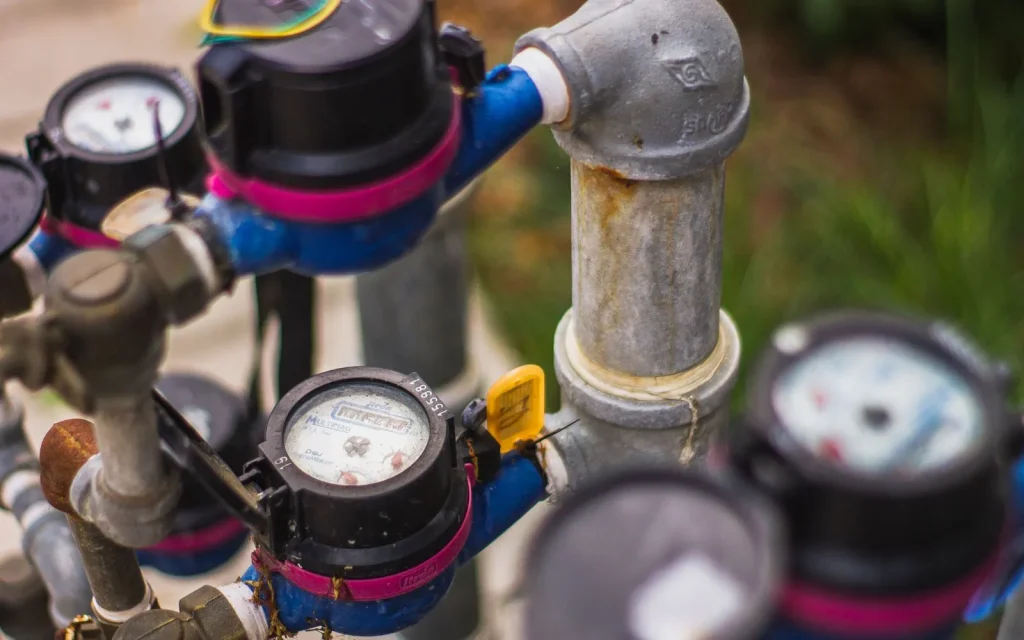
On most Perth houses the meter is in the front garden, close to the verge. It’s usually in a small box or sitting just above the ground with a tap beside it. Lift the lid and you’ll see a row of numbers. The ones you care about for this test are the red numbers, which move even when only a small amount of water is flowing.
The 15-minute meter test
This is the test Water Corporation recommends:
- Turn off every tap and anything that uses water. That includes the reticulation, the washing machine and dishwasher, and anything that tops itself up, like an evaporative air conditioner or a pool.
- Write down the three red numbers on the meter.
- Wait 15 minutes without using any water.
- Check the meter again and compare.
If the red numbers have moved while nothing was running, you’ve very likely got a leak somewhere between the meter and your taps.
Narrowing it down
Before assuming the worst, go through the usual suspects. These are the ones I look at first.
Toilets
A cistern that keeps trickling into the bowl can run all day without you noticing. Look for water moving in the back of the bowl after the cistern has filled. You can also put a few drops of food colouring in the cistern, don’t flush for 15 minutes, and see if the colour shows up in the bowl. If it does, the flush valve is leaking.
Reticulation
Retic lines run underground, so a split pipe or a stuck valve can leak for weeks. A patch of lawn that’s greener or soggier than the rest is a giveaway.
Outside taps and the hot water system
Check garden taps for drips, and have a look at the relief valve on a storage hot water system. A small discharge while the tank is heating is normal. A steady flow that doesn’t stop isn’t.
Hidden leaks in walls and slabs
If none of those explain it, the leak may be in a wall or under the floor. Signs to watch for:
- Damp, stained or bubbling paint on a wall
- A warm spot on the floor, which can mean a leak in the hot water line under the slab
- The sound of running water when everything is off
- Tiles that crack or lift for no obvious reason
Whose leak is it?
For a standard house, Water Corporation looks after the pipe between the roadside and the plumber’s elbow at the meter, and everything from there to the house is yours. If water is leaking on the street side, or you’re not sure, call Water Corporation on 13 13 75. They answer 24/7. If water is leaking on or near a power dome, stay clear and call Western Power on 13 13 51.
Anything on your side needs a licensed plumber. For work on your water supply, that’s a legal requirement.
Why it’s worth fixing now
Small leaks add up. Water Corporation says a leaking tap can waste up to 10,000 litres a year, and a running toilet cistern around 9,000 litres. A leak under the slab or in a wall can also do damage long before you see it. Once it’s repaired, keep the plumber’s invoice and ask Water Corporation whether you’re eligible for a leak allowance on the water you lost.
How I find leaks
If the meter says you’ve got a leak and none of the above explains it, ring me. I bring listening gear that picks up water escaping through concrete and plaster, which narrows it down to a small patch before anything gets cut. Slab and in-wall leaks are exactly what it’s for. You get a fixed price for the repair before I start. More on leak detection and repairs.
If a pipe has burst
Don’t wait for the meter test. Turn the water off at the meter, usually with the tap right beside it, and then ring me. Here’s what to do in a plumbing emergency.
Common questions
Does a moving meter always mean a leak?
Not always. Check that nothing was still running during the test, like an ice maker, an evaporative air conditioner filling up, a pool top-up or a retic station. If you’re sure everything was off and the numbers still moved, it’s a leak.
Can I fix the leak myself?
Repairs to the water supply pipes need a licensed plumber by law. If you’re planning to ask Water Corporation about a leak allowance, keep the plumber’s invoice for the repair.
How much does leak detection cost?
It depends on the house and where the leak turns out to be. I’ll tell you the price before I start, and you’ll know what the repair involves before any cutting happens.
Meter moving and no idea why? Send me the details and I’ll ring you back.